
Blog
What is PRP Therapy?

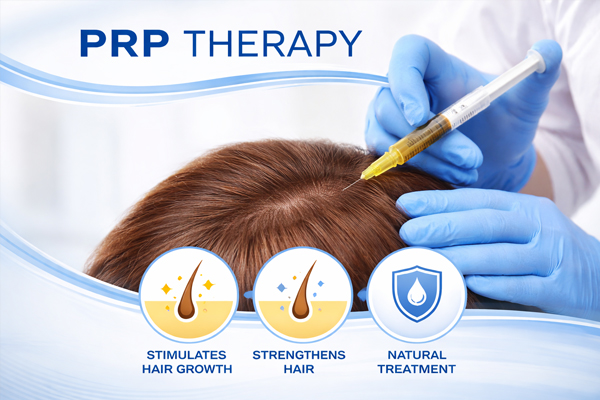
PRP therapy is a minimally invasive treatment that uses the platelets from your own blood. Platelets are best known for helping wounds heal, and they carry natural growth factors that signal your body to repair and renew tissue.
In a PRP treatment, those platelets are concentrated and placed back into the area you want to treat, usually the face or the scalp. Because the treatment uses your own plasma, there’s no foreign filler or synthetic ingredient involved.
How Does PRP Therapy Work?
The process is more straightforward than most people expect:
- A small blood draw. It’s similar to a routine lab test, usually from your arm.
- Spinning the sample. The blood is placed in a centrifuge, which separates the platelet-rich plasma from the rest of the blood. This takes only a short time.
- Treating the area. The PRP is applied through tiny injections or combined with microneedling, depending on your goals.
- Gradual renewal. The growth factors encourage your body to produce fresh collagen and support healthier tissue over the following weeks.
That last step matters. PRP isn’t instant. It works with your body’s natural timeline, which is why results look natural rather than “done.”
What Is PRP Used For?
For your skin
- Fine lines and early signs of aging
- Dull, uneven skin tone
- Rough texture and enlarged-looking pores
- Under-eye texture and a tired look
- Acne scarring and overall skin quality
For your hair
- Thinning hair and early hair loss
- Support for existing hair follicles
- Thicker, healthier-looking hair over time
Results vary from person to person, and PRP is not a guaranteed fix. A good provider will tell you honestly whether it’s likely to help you.
What to Expect During Your Visit
Most appointments take around an hour, including the blood draw and prep. Your provider usually applies numbing cream or a local numbing agent first, so you stay comfortable. You may feel mild pressure or tiny pinches, but most people tolerate it well.
Afterward, it’s common to see:
- Redness, similar to a mild sunburn
- Slight swelling or tenderness
- Small pinpoint marks, if injections were used
These usually settle within a few days. Most people return to normal activities quickly, though your provider may suggest skipping heavy workouts and makeup for a day or so.
How Long Until You See Results?
Patience helps here. Skin often looks brighter within a few weeks, and texture continues to improve for a few months as collagen builds. Hair changes are slower and usually show up over several months. Many people do a series of sessions spaced weeks apart, then occasional maintenance. Your provider will build a plan around your goals.
Is PRP Right for You?
PRP often suits people who want a natural-looking option, prefer to avoid fillers or surgery, or want to support their own skin and hair health.
It may not be a fit if you have certain blood disorders, take blood thinners, have an active skin infection in the treatment area, are pregnant, or have a history of certain medical conditions. That’s why a consultation always comes first.
Considering PRP Therapy in Austell, GA?
At Vida Wellness & Aesthetics, we’ll look at your skin or scalp, talk through your goals, and tell you plainly whether PRP makes sense for you. No pressure, just honest guidance.
Book your consultation today and see what PRP could do for you.
FAQs
Is PRP therapy painful?
Most people describe it as mild discomfort. Numbing is used beforehand to keep you comfortable.
How many PRP sessions will I need?
It depends on your goals. Many people start with a series of sessions spaced a few weeks apart, followed by occasional maintenance.
Is there downtime after PRP?
Downtime is minimal. Redness and slight swelling usually fade within a few days.
Is PRP safe?
Because it uses your own blood, the risk of allergic reaction is low. As with any procedure, you should review your health history with a provider first.
Does PRP really work for hair loss?
Many people see improvement in thickness and hair quality, but results vary. It tends to work best for early thinning rather than advanced hair loss.
How is PRP different from microneedling?
Microneedling creates tiny channels to trigger renewal. PRP adds your own growth factors on top, and the two are often combined.